Traditional Illustration
Videography
Digital Illustration
Serena Qin
Mitigating the Ecosystem
Impacts of Energy Production
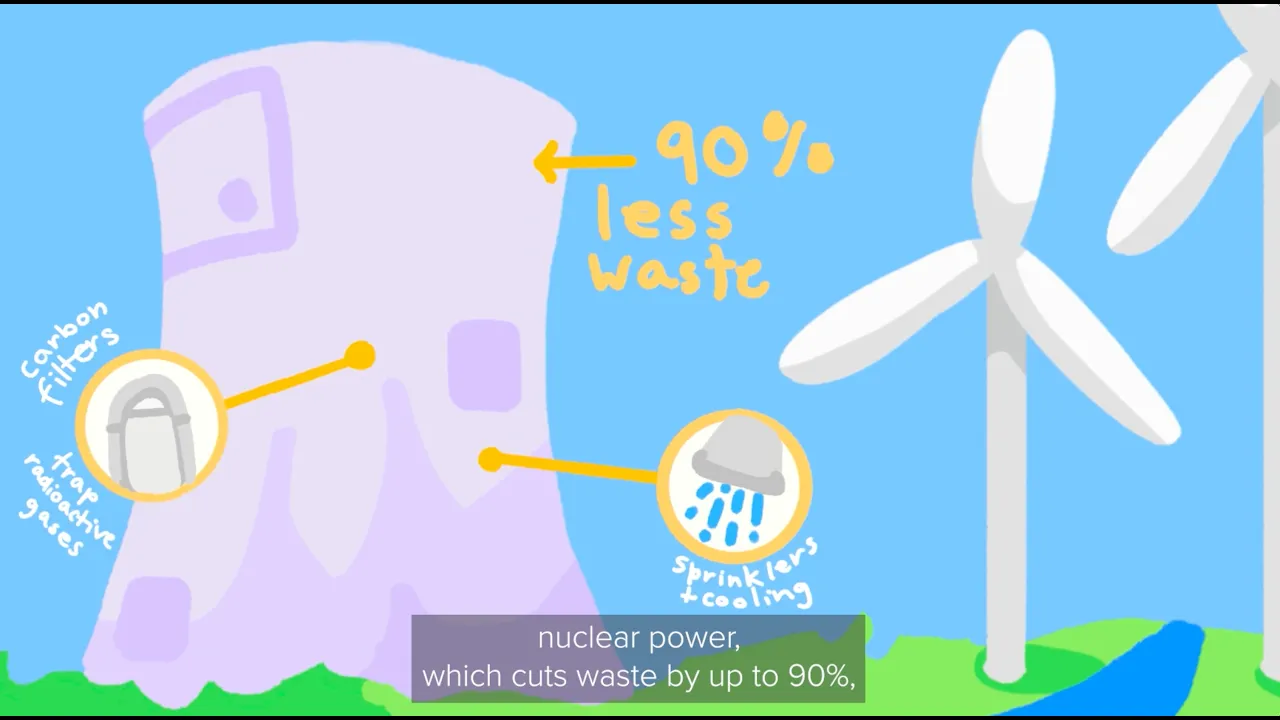
This is Earth. It’s a beautiful place. And as our population grows, so does the energy needed to sustain it. But the more energy, the more ecosystem damages. Traditional nuclear plants release radiation, while fossil fuels emitted 34 billion tonnes of CO₂ in 2024 alone, fueling environmental destruction. Even renewables like hydropower can block fish migration, and solar and wind manufacturing releases toxic materials while wind turbines threaten birds. So how can we save our beloved ecosystems? The answer is to adapt energy production to environments. Replace fossil fuels with renewable and advanced nuclear power, which cuts waste by up to 90%, and equip plants with carbon containment and cooling systems. Use low-toxicity recycled materials in manufacturing, install radar sensors on turbines to pause during bird migration, and give hydropower dams fish ladders and sediment filtration to protect water ecosystems. This protects ecosystems while maintaining energy production. So let’s take action to protect our one and only Earth.
This is Earth. It’s a beautiful place. And as our population grows, so does the energy needed to sustain it. But the more energy, the more ecosystem damages. Traditional nuclear plants release radiation, while fossil fuels emitted 34 billion tonnes of CO₂ in 2024 alone, fueling environmental destruction. Even renewables like hydropower can block fish migration, and solar and wind manufacturing releases toxic materials while wind turbines threaten birds. So how can we save our beloved ecosystems? The answer is to adapt energy production to environments. Replace fossil fuels with renewable and advanced nuclear power, which cuts waste by up to 90%, and equip plants with carbon containment and cooling systems. Use low-toxicity recycled materials in manufacturing, install radar sensors on turbines to pause during bird migration, and give hydropower dams fish ladders and sediment filtration to protect water ecosystems. This protects ecosystems while maintaining energy production. So let’s take action to protect our one and only Earth.
As long as humans have walked this planet, we have interacted with the salty water that, today, is over 70% of Earth’s surface. From the fish we’ve caught, cooked, and used to sustain ourselves… to the ways in the which the ocean has both challenged us and piqued our curiosity. And, what is the ocean for me? For me, the ocean is representative of my ancestors, my culture, and my heritage thousands of miles away. Centuries and generations ago, my Chinese ancestors were inspired by the ocean, crafting mythological figures and weaving them into religions and traditions. The dragon kings, who were said to rule the seas and command the weather, were believed to bring rain, calm storms, and protect coastal communities, and became powerful symbols of the ocean’s influence on daily life. In a more scientific realm, water evaporated from the ocean condensed into precipitation that sustained crops, water sources, and countless livelihoods. The ocean has also inspired modern Chinese innovations like seawater rice, salt-tolerant rice that could feed hundreds of millions of people.
For me, the ocean is also my personal inspiration. As a curious child with nothing but a box of worn crayons and a dull pencil, the ocean was – and still is – one of my favorite things to draw. In a way, the ocean grew up with me, and it captured my progress as I grew older.
But alas, because of the same species that drew inspiration, sustenance, and meaning from the ocean, the ocean is now in danger, as well as everything that it represents. The ocean, our lifeline, our shared heritage, is being pushed toward a crisis of our own making. Every year, more than 11 million metric tons of plastic, these seemingly bright and innocent objects, enter the ocean, according to the United Nations Environment Programme. Every year, the National Oceanic and Atmospheric Administration finds that the ocean absorbs roughly one-quarter of humanity’s carbon dioxide emissions, causing acidification that threatens marine ecosystems around the world. Every year, millions of marine animals die as a result of pollution, habitat destruction, and unsustainable human activities. What was once a source of inspiration, survival, and cultural identity is increasingly becoming a victim of our neglect. And because of that, we are suffering, too. The Marine Stewardship Council reports that more than 3 billion people depend on the ocean for protein. Chemicals that pollute the ocean eventually end up in the fish and seafood we eat, affecting our health. Moreover, economic damages are ruining countless livelihoods, leaving many fishers, tourism workers, and coastal communities struggling to make a living.
This simply cannot continue. If we want to protect the ocean and preserve what it means to future generations, each and every one of us needs to make small changes in the things we do each day. We can reduce our use of single-use plastics, choose sustainably sourced seafood, or participate in local cleanups and conservation efforts. There is still hope, and it is all of our collective responsibility to keep it alive.
What Does the Ocean
Mean to Me?
What Does the Ocean Mean to Me?
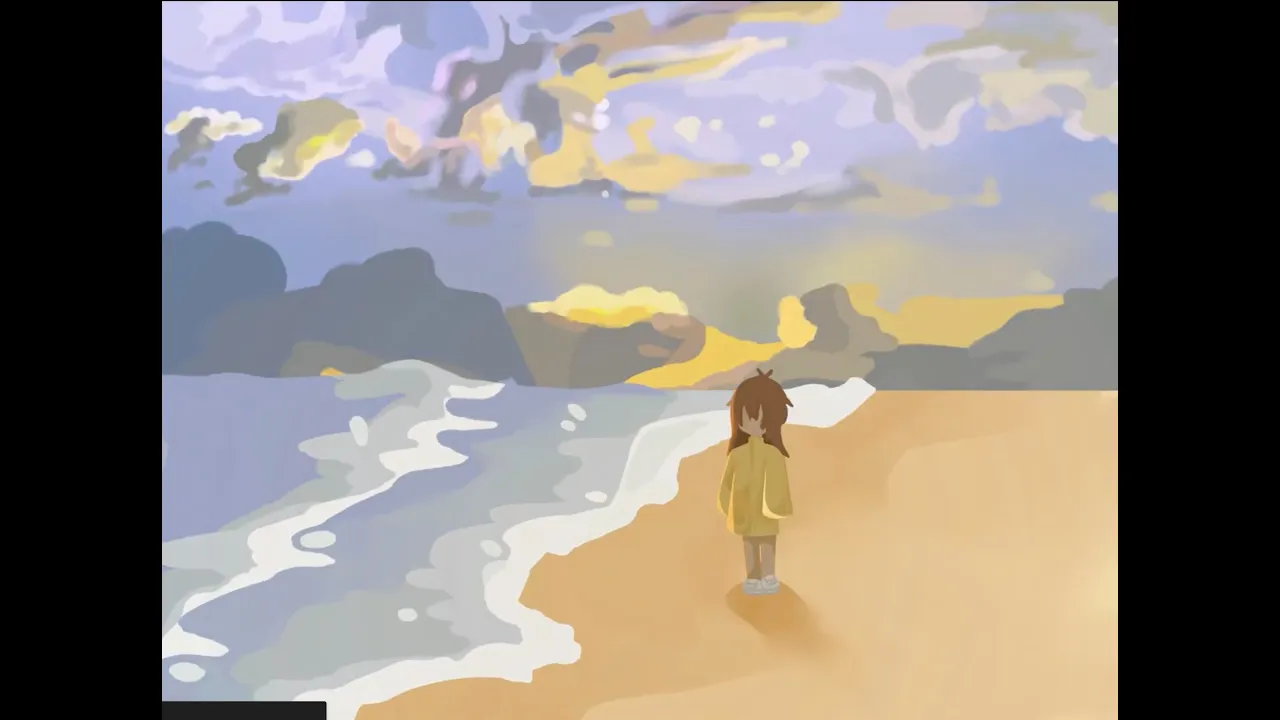
As long as humans have walked this planet, we have interacted with the salty water that, today, is over 70% of Earth’s surface. From the fish we’ve caught, cooked, and used to sustain ourselves… to the ways in the which the ocean has both challenged us and piqued our curiosity. And, what is the ocean for me? For me, the ocean is representative of my ancestors, my culture, and my heritage thousands of miles away. Centuries and generations ago, my Chinese ancestors were inspired by the ocean, crafting mythological figures and weaving them into religions and traditions. The dragon kings, who were said to rule the seas and command the weather, were believed to bring rain, calm storms, and protect coastal communities, and became powerful symbols of the ocean’s influence on daily life. In a more scientific realm, water evaporated from the ocean condensed into precipitation that sustained crops, water sources, and countless livelihoods. The ocean has also inspired modern Chinese innovations like seawater rice, salt-tolerant rice that could feed hundreds of millions of people.
For me, the ocean is also my personal inspiration. As a curious child with nothing but a box of worn crayons and a dull pencil, the ocean was – and still is – one of my favorite things to draw. In a way, the ocean grew up with me, and it captured my progress as I grew older.
But alas, because of the same species that drew inspiration, sustenance, and meaning from the ocean, the ocean is now in danger, as well as everything that it represents. The ocean, our lifeline, our shared heritage, is being pushed toward a crisis of our own making. Every year, more than 11 million metric tons of plastic, these seemingly bright and innocent objects, enter the ocean, according to the United Nations Environment Programme. Every year, the National Oceanic and Atmospheric Administration finds that the ocean absorbs roughly one-quarter of humanity’s carbon dioxide emissions, causing acidification that threatens marine ecosystems around the world. Every year, millions of marine animals die as a result of pollution, habitat destruction, and unsustainable human activities. What was once a source of inspiration, survival, and cultural identity is increasingly becoming a victim of our neglect. And because of that, we are suffering, too. The Marine Stewardship Council reports that more than 3 billion people depend on the ocean for protein. Chemicals that pollute the ocean eventually end up in the fish and seafood we eat, affecting our health. Moreover, economic damages are ruining countless livelihoods, leaving many fishers, tourism workers, and coastal communities struggling to make a living.
This simply cannot continue. If we want to protect the ocean and preserve what it means to future generations, each and every one of us needs to make small changes in the things we do each day. We can reduce our use of single-use plastics, choose sustainably sourced seafood, or participate in local cleanups and conservation efforts. There is still hope, and it is all of our collective responsibility to keep it alive.